 We all have that very precious person in our life. That one person, who the universe put in our lives specifically to... ...test every thread of our patience. They are unavoidable. They are always poking, prodding and agitating. And often times, they are a direct reflection of our own inner demons. This person is your own personal mara. And believe it or not, they just might be your greatest teacher. The Many Faces of MaraThe Maras are a very old and widespread teaching in eastern religions and philosophies. Sometimes, Maras are personified into mythic characters like demonic tricksters and agitators, other times, the Maras are presented as simply philosophical tenets, guiding creeds of wisdom to help us understand our own inner tricksters and agitators. Like many teachings this old, there are many different and complex interpretations of the Maras. Zen teacher Lynn Jnana Sipe points out in "Reflections on Mara" that the notion of a trickster being responsible for disillusionment is found in Vedic Brahmanic mythological traditions and also in non-Brahmanic traditions. In other words, every religion in India seems to have had a character like Mara in its myths. In all of these tales, overcoming the mara was essential in our path. Shiva, the god of destruction had a mara. Even the Buddha has his own agitating mara. See? We are in good company. First, lets read about the 4 Maras in Buddhist Philosophy and then, learn more about their personified characters in eastern mythology.  The Maras in Buddhist Teachings: |


 |  |
Written by Abbe Ciulla
Owner of Troy City Yoga, Wonderland Yoga and The Solar Flow Yoga School
Owner of Troy City Yoga, Wonderland Yoga and The Solar Flow Yoga School
It was about 10 years ago that I decided to learn handstand. Admittedly, I was seduced by photos of yogis suspended upside down, seeming to defy gravity. I was so hungry for it that I neglected any semblance of form or technique. The goal was to get upside down, I didn't care how I got there or how it looked once I arrived. I was attached to the idea that once I nailed the pose, I would be a bona-fide yogi.
And so it went for months. Attachment and egotism dueled it out as my legs went up over and over again with nightmarish form. Eventually, I registered for a Handstand Workshop, mostly to show off my new skill. When the teacher was dolling out the foundational drills and preparatory exercises, I was frustrated and impatient. I already knew how to handstand, I didn't need these.
My teacher noticed my impatience right away. He firmly informed me that, although I could get upside-down, my form was sloppy and lacked the refinement necessary for a sustainable handstand practice. He told me that I should return to the foundational preparatory exercises, and rebuild my handstands from the ground up.
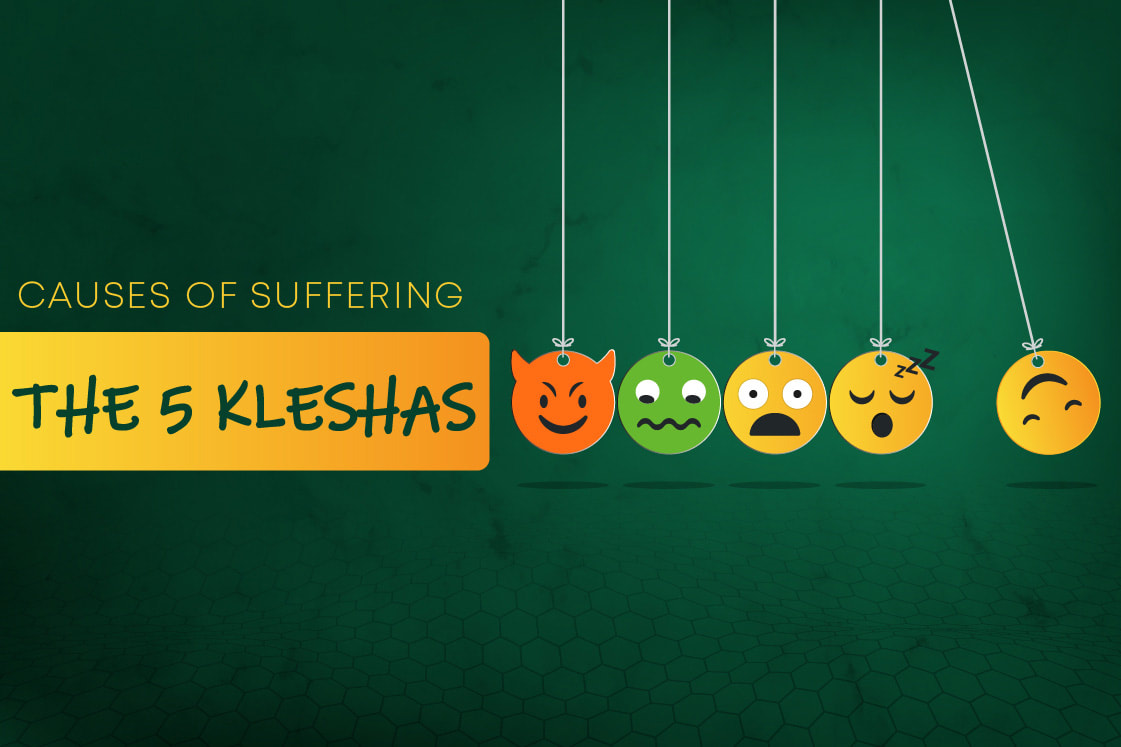
I was crushed. He could see my frustration and then sat down to talk about the Kleshas. This was a pivotal moment for my yoga journey, it allowed me to uncover the emotional work behind the physical practice... (click below to read more)
And so it went for months. Attachment and egotism dueled it out as my legs went up over and over again with nightmarish form. Eventually, I registered for a Handstand Workshop, mostly to show off my new skill. When the teacher was dolling out the foundational drills and preparatory exercises, I was frustrated and impatient. I already knew how to handstand, I didn't need these.
My teacher noticed my impatience right away. He firmly informed me that, although I could get upside-down, my form was sloppy and lacked the refinement necessary for a sustainable handstand practice. He told me that I should return to the foundational preparatory exercises, and rebuild my handstands from the ground up.
I was crushed. He could see my frustration and then sat down to talk about the Kleshas. This was a pivotal moment for my yoga journey, it allowed me to uncover the emotional work behind the physical practice... (click below to read more)
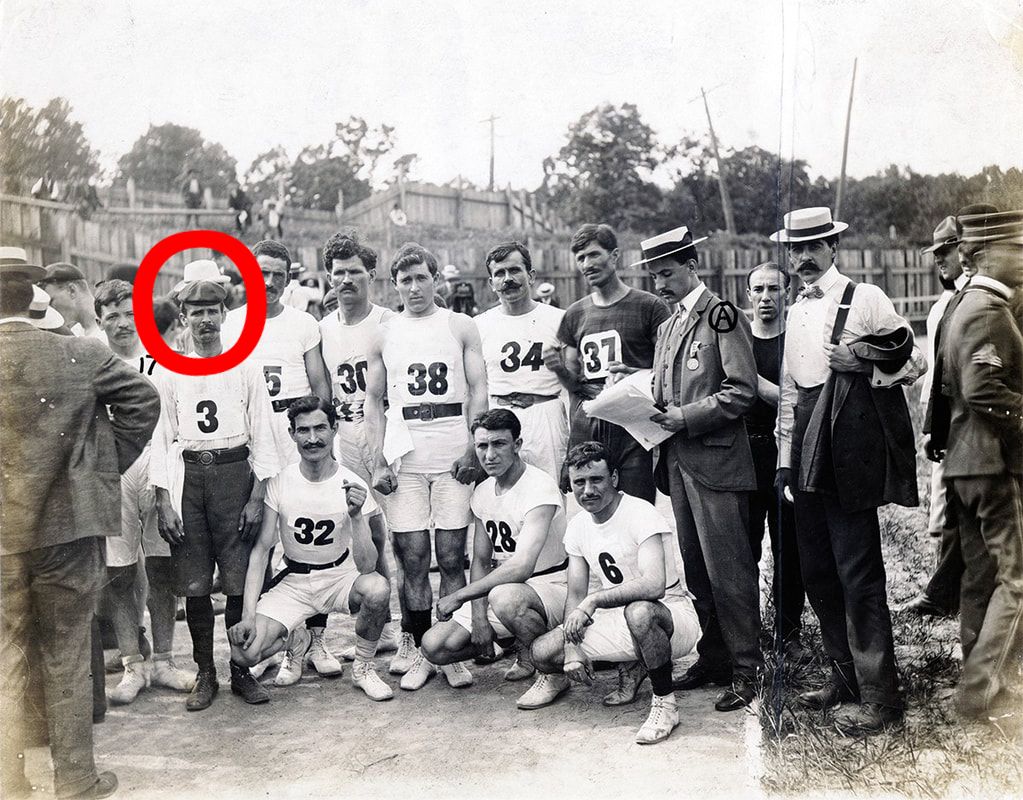
Yesterday in our Solar Flow class, I shared the incredible tale of Félix de la Caridad Carvajal y Soto. This story served as a springboard for us to explore the profound lessons of Dharma and ignite our journey towards mastering the one-legged crow pose (an arm balance that resembles a running man, doesn't it?).
I hold this story close to my heart as I strive to live a purposeful life. It's a truly inspiring human tale, one that many of us could use right now.
Today, I extend an invitation to you to take a moment and sit back, grab a cup of tea and delve into Felix's extraordinary journey. He grew up in the midst of war, possessed nothing more than the clothes on his back, and yet, he found a way to, quite literally, chase his dreams.... (click below to read more)
I hold this story close to my heart as I strive to live a purposeful life. It's a truly inspiring human tale, one that many of us could use right now.
Today, I extend an invitation to you to take a moment and sit back, grab a cup of tea and delve into Felix's extraordinary journey. He grew up in the midst of war, possessed nothing more than the clothes on his back, and yet, he found a way to, quite literally, chase his dreams.... (click below to read more)
Written by Abbe Ciulla
I love cobra rolls. LOVE THEM. But I didn't always.
Not only are they aesthetically pleasing, these undulations of the spine help us cultivate balanced opening and strength. Don't be fooled by the gentle look of this transition, they are more difficult than they appear.
Cobra rolls strengthen the arms, shoulders & chest. They open the upper back and engage both the front and back body core muscle groups. And most importantly they help us zero in on the parts of our bodies that are hyper mobile or stiff.
Don't expect to conquer these right away! Be patient, go slow and focus on the small movements.... (click below to read the full article)
Chancing are, you've been hearing about the incredible benefits of Animal Flow and Primal Locomotion. Athletes are adding it to their HIIT days, yogis are weaving it into their flows and more and more movers are joining in! Through Animal Flow, discover next level strength and unbelievable agility. Forge the absolute best mobility you've ever have in your life.

Why the hype?
Animal Flow is an incredibly efficient movement methodology for full-body transformation. Animal Flow is so effective because all of the postures and techniques specifically train and target our body’s fascia... (click below to read the full article)
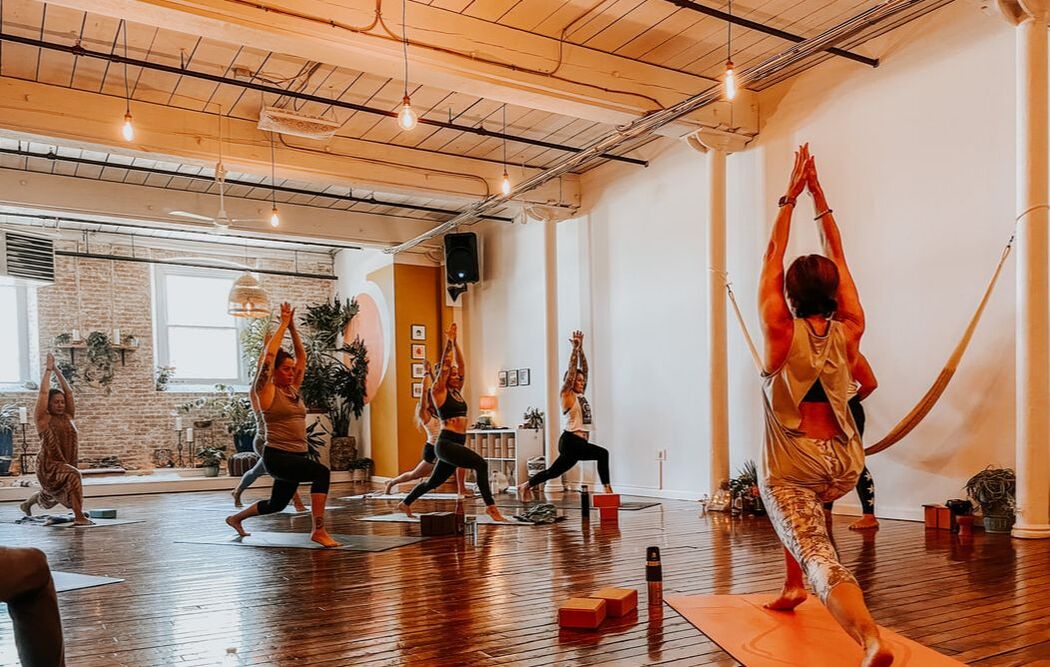
So, you've signed up for your first yoga class!
First, take a moment to pat yourself on the back. You are taking a chance on something totally new. You're embarking on a journey for better overall wellness. Any time we step into unfamiliar waters, there is a feeling of uncertainty and vulnerability- but we promise, it will be so worth it.
The cave you fear to enter holds the treasure you seek.
-Joseph Campbell
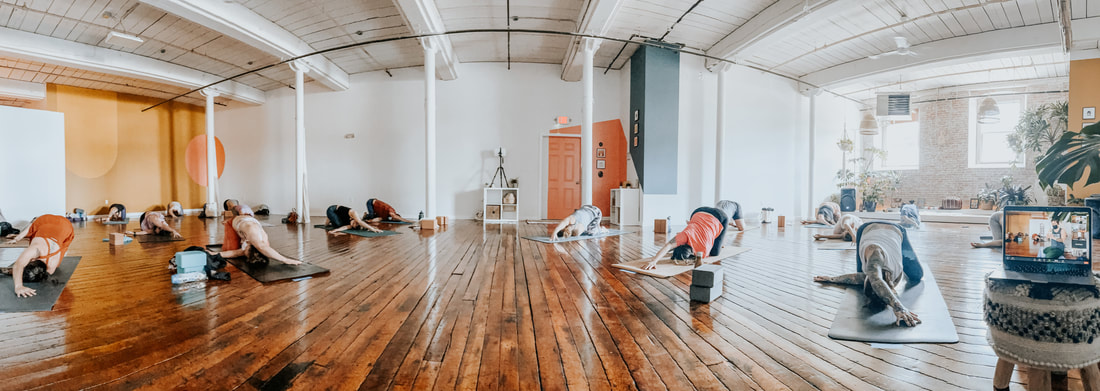
Success from the start
Chances are you've been hearing about all the benefits of yoga, and with good reason. Yoga offers up abundant perks for both our body and mind, from heart health and increasing both muscle strength and flexibility to aiding in mindfulness and conquering stress.
Ready to roll out a mat and give yoga a try? We've curated our favorite tips alongside the most frequently asked questions to get you ready for your first yoga experience!
Ready to roll out a mat and give yoga a try? We've curated our favorite tips alongside the most frequently asked questions to get you ready for your first yoga experience!

Check the Schedule, Read the Class Descriptions
One of the best aspects of yoga is that there is so much to choose from. We guarantee there is a yoga for every body. Before showing up for your first class, peek through the class schedule and read the class descriptions. If you're a brand-newbie, we recommend trying one of following classes: Solar Flow Foundations, Slow Flow, The Reset, The Fix or the Slow Vibe.
Get Comfy
Put on breathable clothing you are able to freely move around in. Workout clothing usually works perfectly. Yoga is practiced barefoot, so you can leave the sneakers and socks behind. You might want to try avoiding super-loose tops, especially for women, since they tend to ride up when you’re bending over toward the floor. Skip applying any lotions to hands or feet right before class so that you don't slip on your mat.
Gather your "Go Bag"
Get everything packed and ready before you go. that way when it is time to leave- there is no stress and no excuses. Lucky for us, yoga requires almost zero equipment and most studios will have everything you need already (we personally have everything you need at the studio- yoga mats, knee cushions, blocks and props that you can borrow for class). Pack a water bottle with a closing cap, a yoga mat (if you have one) and small towel. Which yoga mat is best? Steer clear of the super thick, smushy ones. Those are for gym use and will actually make yoga harder. Stick with a mat no thicker than 4mm. If you have sensitive knees, we have have cushions to support them.

Arrive Early
Allot yourself time to arrive early and get fully settled in- at least 15 minute prior to class start time. Leave shoes outside the door and personal belonging in the lobby cubbies. Our teachers are friendly and very accommodating. Let them know this is your first class and they will help you get comfortable in your new setting.
Set up in the middle of the room
This is a BIG one. While we all like to hide in the back of the room for our first few classes, it is actually best to land your mat directly in the middle of the space. This way, you can look in any direction for visual aid from your fellow students and the teacher. If you're tucked in a back corner, you'll be flying blind for most of class.
Do some gentle stretching
Time to kill before class starts? Take a moment to do some gentle stretches will deep breaths. This will help you feel more calm and connected to your body by the time class starts.

It's totally okay to feel a little lost
During your first class, it will feel a little bit like there is a dance going on and you haven't learned the moves yet. That is totally normal. We have ALL been there. Every single student was once a brand-newbie, just like you. Be patient and know that each time class will feel more familiar.
It's totally okay to feel challenged
Any new movement regiment will feel challenging at the start- and thats a good thing! Challenges are part of the process. They make us stronger and create the lasting transformation we all seek. Some poses may feel "hard" but you will be amazed at how much stronger and flexible you become over time. In yoga we always encourage students to "listen to their body" and take as many breaks as you need if you feel fatigued. Come as you are, we will meet you there, we will grow together.
Each class is a little different.
As mentioned earlier, there is a yoga style for every body. But this also means that each class is unique. Some classes play music and some are silent. Some teachers move slow, others will flow quicker. Some teachers also like to finish class with a short chant or meditation. If you don't love your first class, be patient. There is always more great options to choose from!
Don’t be discouraged after your first class
You might feel overwhelmed after your first session. After all, it was probably a crash course in breathing and alignment. But don’t be discouraged! Remember that anything worthwhile takes time, persistence and and a little curated wisdom from a trusted teacher. Within that framework, nearly anything is possible!
“Yoga’s not a religious thing. At its core, it’s about community. Sit back, breath and take it all in. It’s not about how you perform, it's all about what you bring from the practice into the rest of your day.”

Do I have to be flexible?
Absolutely not. Arrive just as you are. If you're recovering from an injury or have limitations, always consult your doctor first. Yoga will make you stronger, more flexible, more mindful.
Is yoga religious?
Yoga is not inherently religious. There are some classes that are more spiritual and some classes that are much less so. All classes will have a component of mindfulness. Make sure to read class descriptions to get an idea of the class vibe.
Can I eat before class?
Eating a light snack before yoga is totally fine. Avoid big or heavy meals before class, but if you're hungry don't be afraid to have quick small bite before class.
I have an injury, can I practice yoga?
While yoga teachers will help you become more body-aware, flexible and strong, they are not doctors. Always make sure to clear all new exercise regiments with your doctors first.
Ready for your first class at Troy City Yoga?
Follow the link below to get all the info on our our studio! How to find us, where to park etc..
Author
We really like to hear ourselves talk.
Archives
July 2024
June 2024
December 2023
November 2023
June 2021
Categories
 RSS Feed

Questions about your first class?
Click here. |
FIND USWe are located at:
The Commonwealth Landing 1082 Davol Street Fall River, MA Phone: +1 323 800 8599 (text only) Apple maps is still updating their systems. We recommend putting our actual address into navigation, otherwise they may bring you to our former location. |